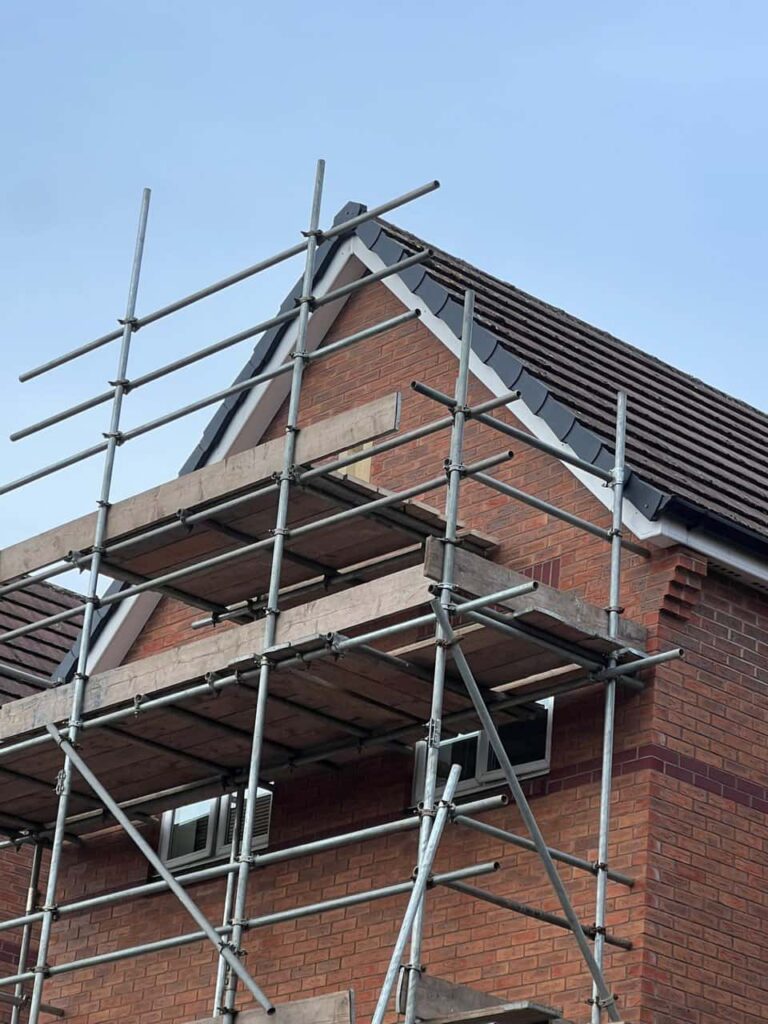
The roofline plays an important role in protecting a property from rainwater and helping the roof remain in good condition. Fascias, soffits and guttering work together to support the roof’s lower edge, protect vulnerable areas and direct water safely away from the building. When these components become damaged or blocked, moisture can begin to affect the roof structure and external walls.
For homeowners in Hayling Island, Hampshire, regular roofline maintenance is particularly important for managing exposure to changing weather conditions. Understanding what each component does, recognising early warning signs and arranging repairs when needed can help prevent minor defects from developing into more serious roofing problems.
What Are Fascias, Soffits and Guttering?
Although these components are often discussed together, each has a distinct purpose in protecting the roofline.
Fascias
Fascias are the boards fitted along the lower edge of the roof, where the roof covering meets the external wall. They provide a neat finish to the roofline and commonly support the guttering.
Damaged or deteriorating fascias can affect the stability of the guttering and allow moisture to reach the roof’s underlying timber. Cracked surfaces, peeling paint, soft timber and loose sections are all signs that an inspection may be needed.
Soffits
Soffits are fitted underneath the roof’s overhanging edge, bridging the gap between the wall and the fascia. They help protect the underside of the roof structure from the elements and can contribute to ventilation when designed with suitable vents.
Good roof ventilation helps manage moisture within the roof space. Blocked vents or damaged soffits may interfere with airflow or create openings through which water and pests can enter.
Guttering
Guttering collects rainwater running off the roof and channels it towards downpipes, which carry it away from the building. When gutters become blocked, loose or damaged, water may overflow onto fascias, external walls and the ground near the property’s foundations.
Keeping the guttering clear and ensuring that water drains correctly helps protect the roofline and surrounding building materials from avoidable moisture damage.
Common Roofline Problems to Look Out For
Roofline defects can develop gradually, meaning they may go unnoticed until water begins entering the property or visible damage becomes more extensive.
Common warning signs include:
- Overflowing gutters: Water spilling over the edge during rainfall may indicate a blockage, poor alignment or insufficient drainage.
- Sagging or loose guttering: Sections that pull away from the fascia may have failed brackets or damaged supporting boards.
- Rotting or cracked fascias: Deteriorating timber and damaged boards can weaken the area supporting the guttering.
- Damp patches on external walls: Repeated water overflow can leave staining and contribute to moisture penetration.
- Peeling paint or discoloured soffits: These changes may indicate prolonged exposure to moisture or deterioration beneath the surface.
- Water entering the roof space: Damp insulation, water stains or musty smells in the loft can indicate a roofline defect or another roofing problem.
These symptoms do not always have the same cause. For example, damp walls may result from faulty guttering, damaged roof coverings or other sources of water ingress. Identifying the underlying issue is essential before deciding on the appropriate repair.
How to Maintain Your Roofline Throughout the Year
Consistent maintenance can help keep fascias, soffits and guttering working as intended. A few practical checks can reveal developing problems before they affect other parts of the property.
Keep Gutters Clear
Leaves, moss and other debris can accumulate in gutters, restricting the flow of rainwater. Check for visible blockages and ensure that downpipes are discharging water properly.
Roofline inspections and gutter cleaning should be carried out safely. Avoid climbing ladders or reaching over roof edges without appropriate equipment and experience. A professional service is the safer option when access is difficult.
Check for Signs of Water Damage
Look at the roofline from ground level for sagging gutters, loose joints, cracked boards and visible staining. After rainfall, observe whether water is flowing through the drainage system or overflowing at particular points.
If you notice persistent dampness or signs of deterioration, arranging an inspection can help establish whether a repair is needed.
Maintain Timber Components
Timber fascias require appropriate protection to help resist moisture and decay. Peeling paint or exposed timber should be assessed before deterioration spreads.
However, applying a fresh coating will not solve an underlying problem if the timber is already rotten or water continues to enter the roofline. Damaged sections may need repair or replacement.
Ensure Proper Drainage and Ventilation
Guttering should direct water away from the building rather than allowing it to collect around the roof edge or walls. Soffit vents, where fitted, should also remain unobstructed to support the roof’s intended ventilation system.
Addressing drainage and ventilation problems together can help protect the roof structure and reduce the risk of recurring moisture issues.
When Should Fascias, Soffits or Guttering Be Repaired?
Minor defects can sometimes be addressed before they affect neighbouring components, but the appropriate solution depends on the extent of the damage.
A loose gutter bracket may require a straightforward repair, while a fascia that has deteriorated beneath the guttering may need more extensive attention. Widespread cracking, persistent leaks, recurring blockages or multiple damaged sections may indicate that the roofline needs a more thorough assessment.
It is also important to investigate the cause of repeated failures. Replacing a damaged gutter section without correcting poor alignment or addressing defective supporting boards may allow the same problem to return.
Professional roofline repairs help ensure that the affected components are assessed as part of the wider roofing system, rather than treated as isolated cosmetic issues.
Roofline Repairs in Hayling Island, Hampshire
Well-maintained fascias, soffits and guttering help protect the roof edge, manage rainwater and preserve the condition of your property. When these components become loose, cracked or deteriorated, prompt repairs can help prevent moisture from affecting other parts of the building.
Hayling Island Roofing Repairs provides roof repair services in Hayling Island, Hampshire, helping property owners address roofline defects and related roofing concerns. Whether you have noticed overflowing gutters, damaged fascia boards or signs of water ingress, a professional assessment can help identify the cause and determine the appropriate work.
If your roofline needs attention, contact Hayling Island Roofing Repairs to discuss your requirements.
Conclusion
Fascias, soffits and guttering each play an important role in protecting a property’s roofline. Keeping gutters clear, checking for visible damage and addressing moisture problems promptly can help maintain effective drainage and reduce the risk of further deterioration.
For homeowners in Hayling Island, Hampshire, regular roofline maintenance is a practical way to protect the roof and surrounding building materials. If you notice signs of damage or recurring drainage problems, Hayling Island Roofing Repairs can help you identify the issue and arrange suitable repairs to keep your roofline in good condition.
Call us on: 023 8235 1782
Click here to find out more about Hayling Island Roofing Repairs
Click here to complete our contact form and see how we can help with your roofing needs.